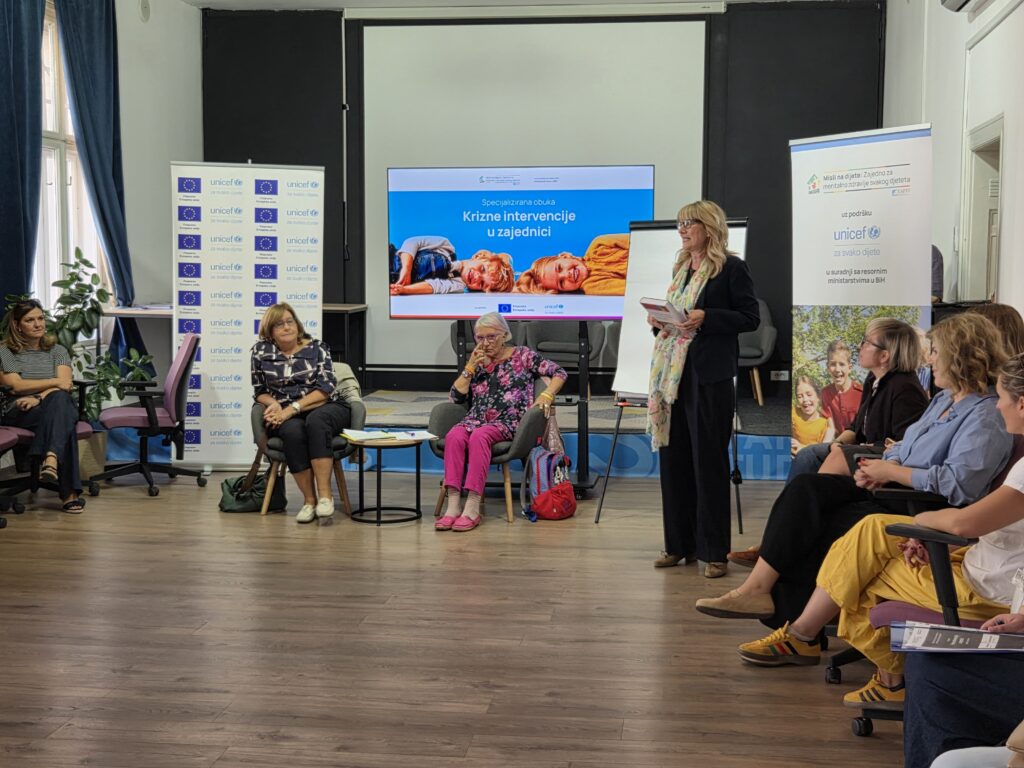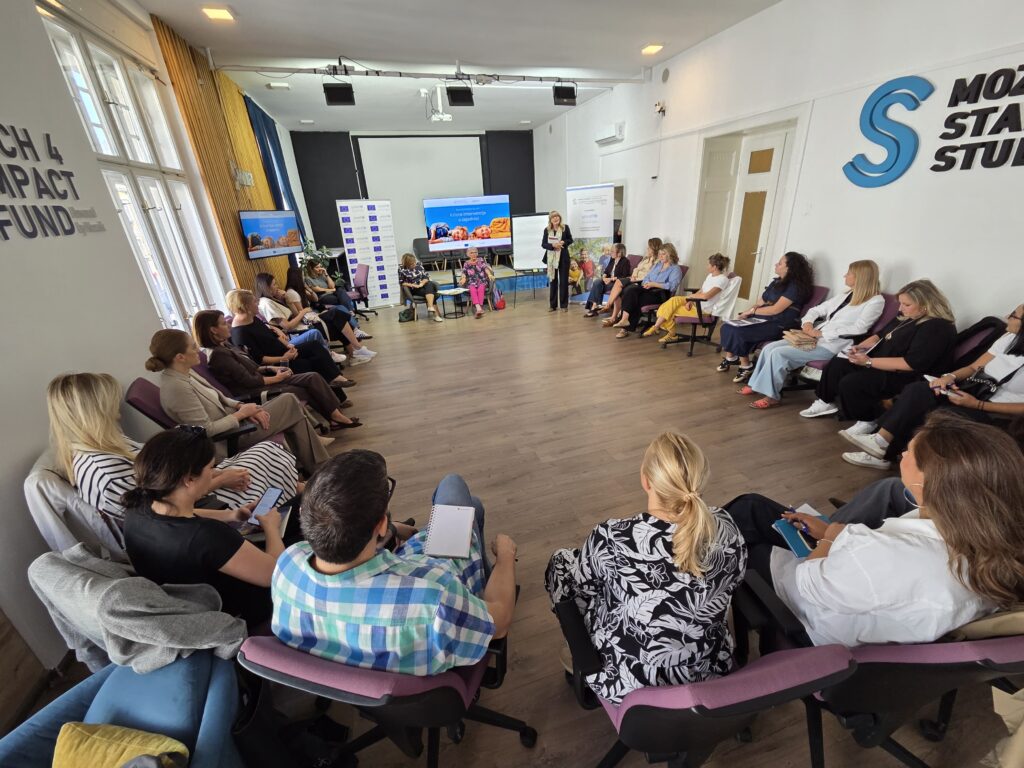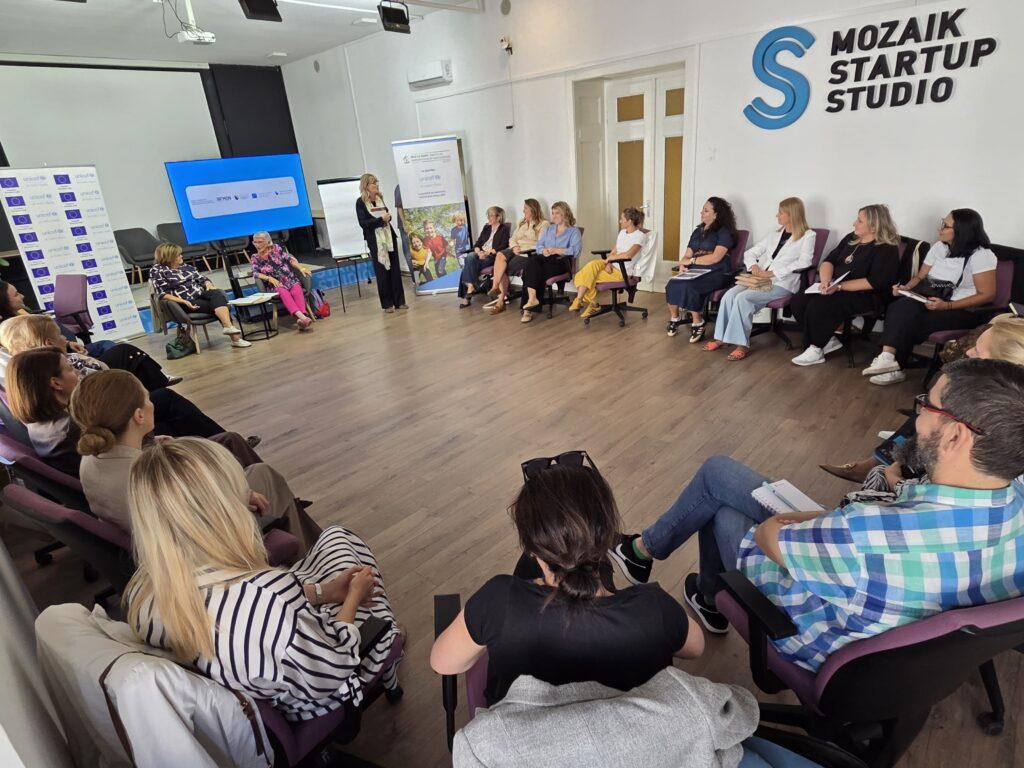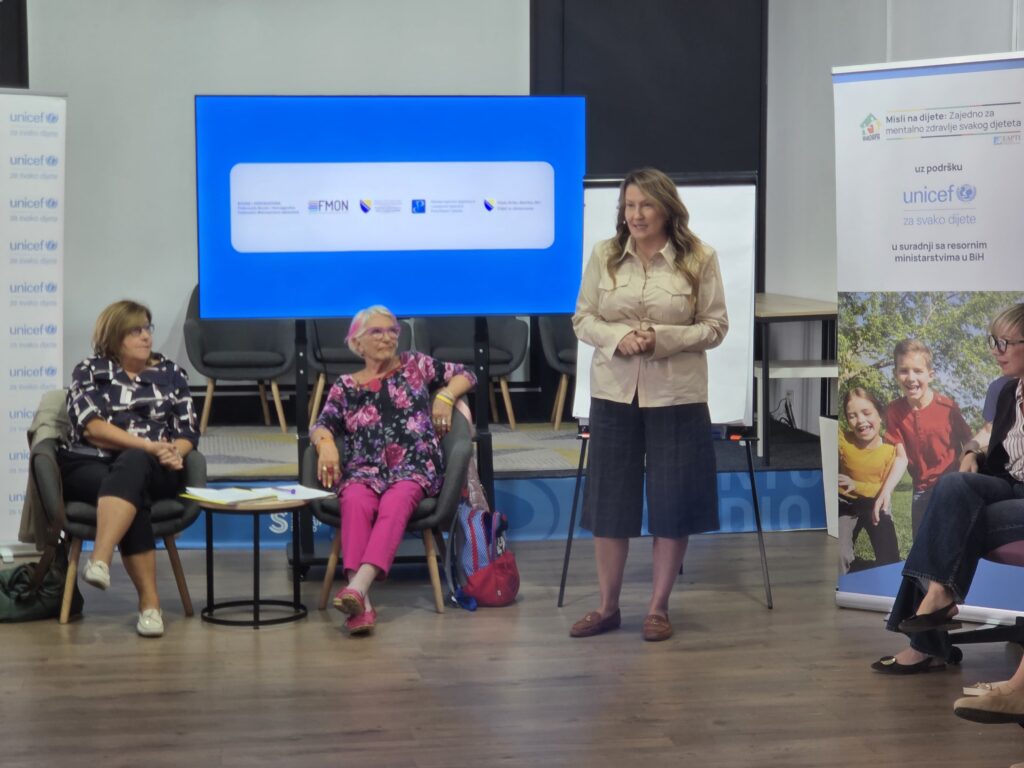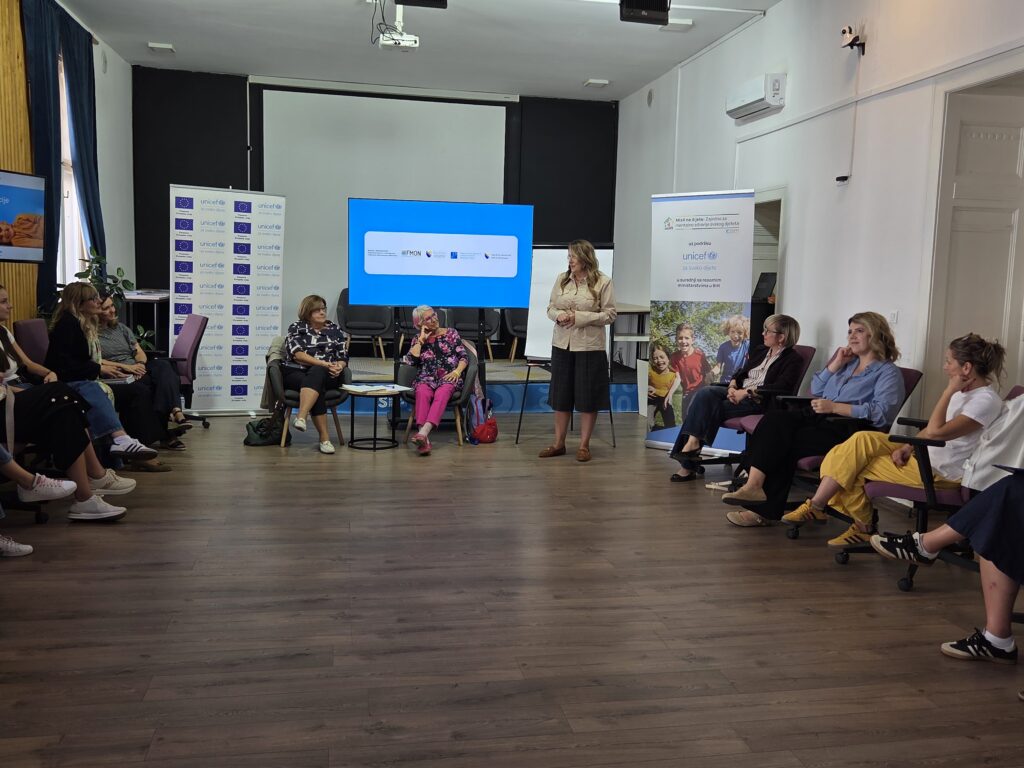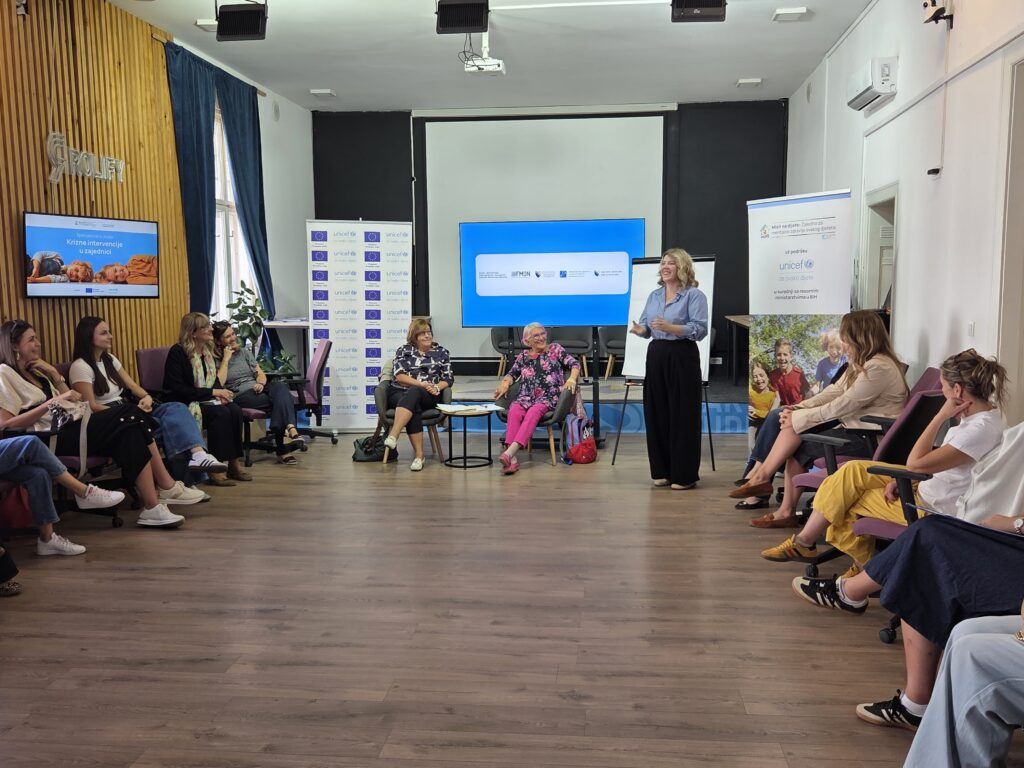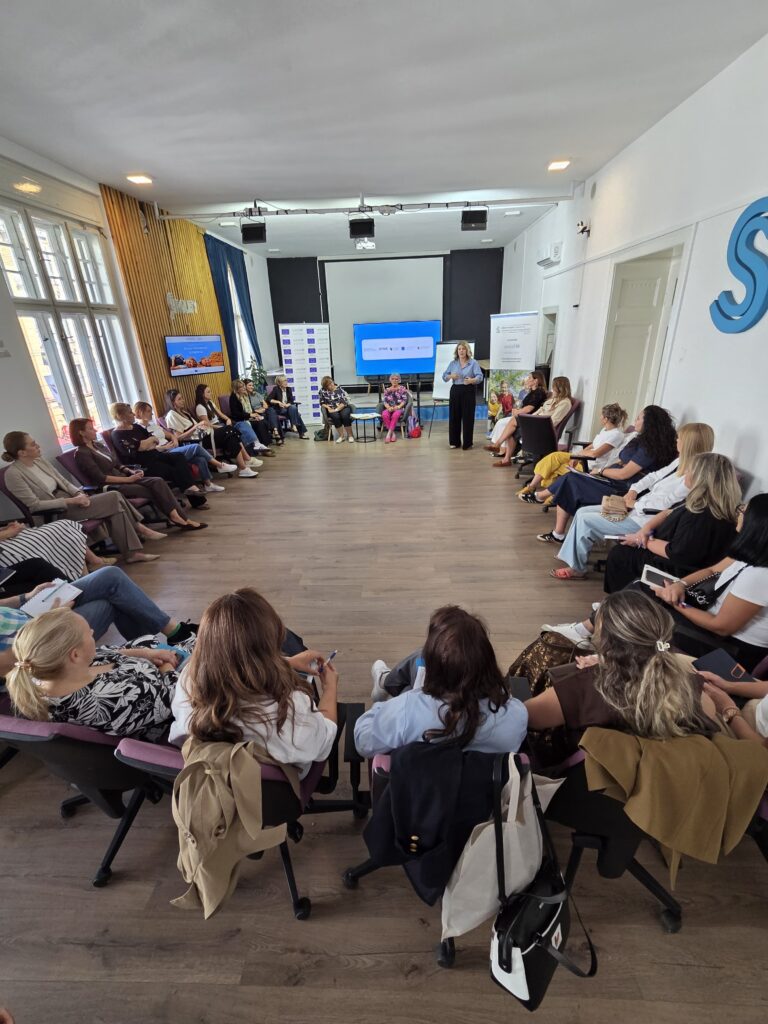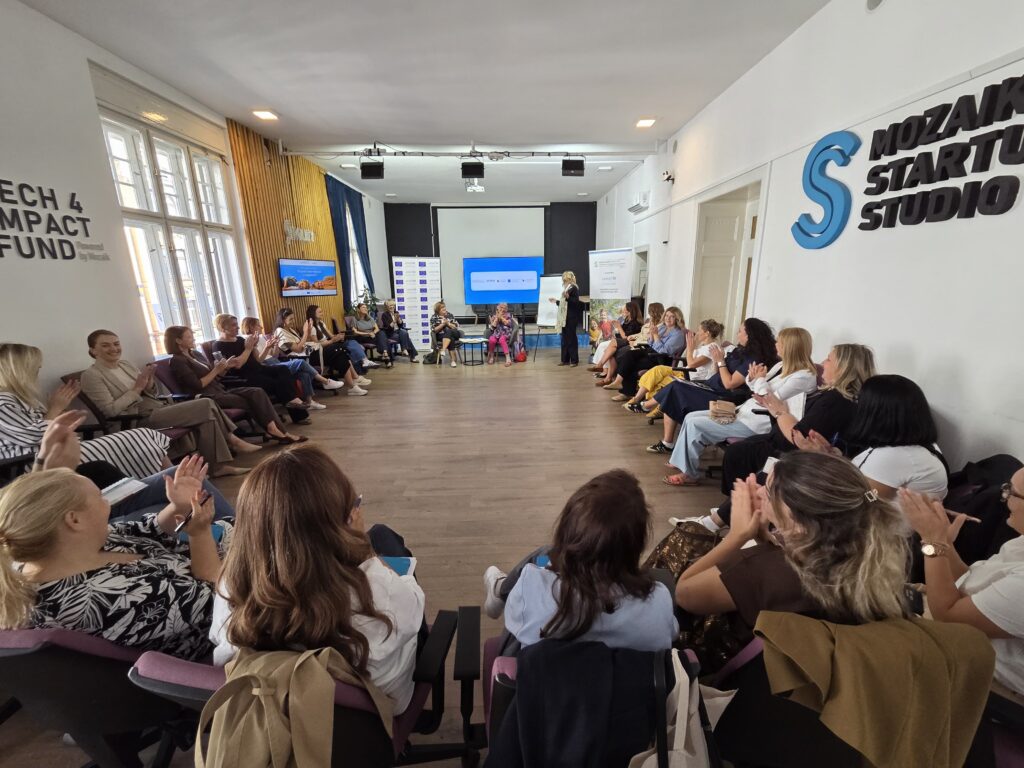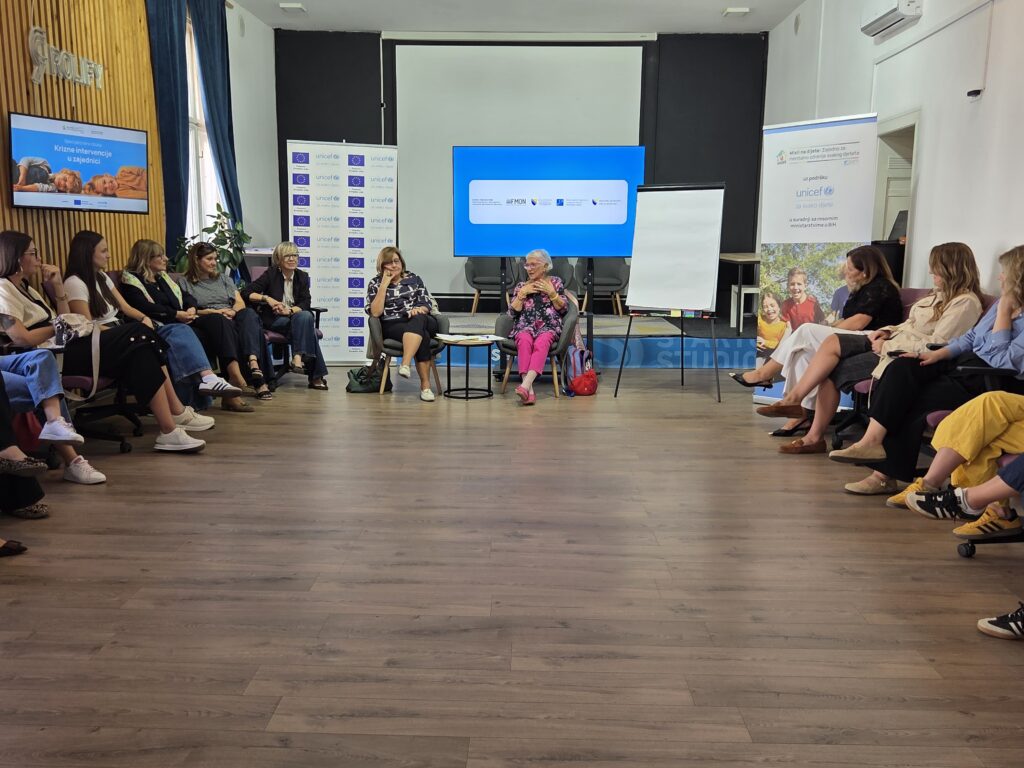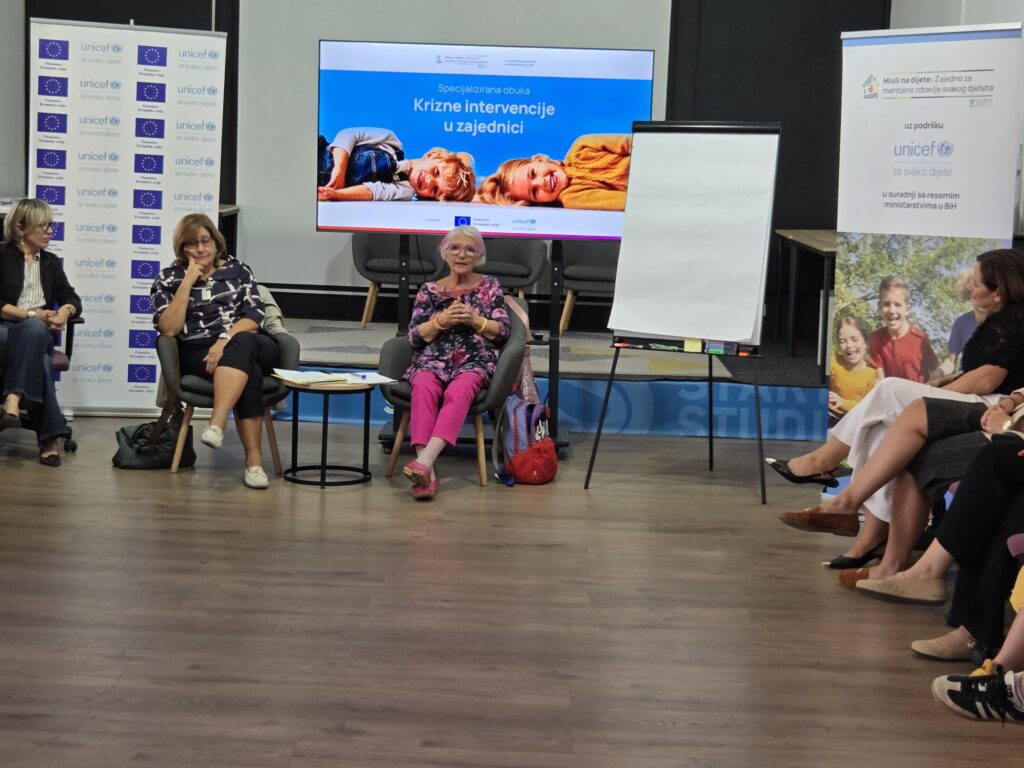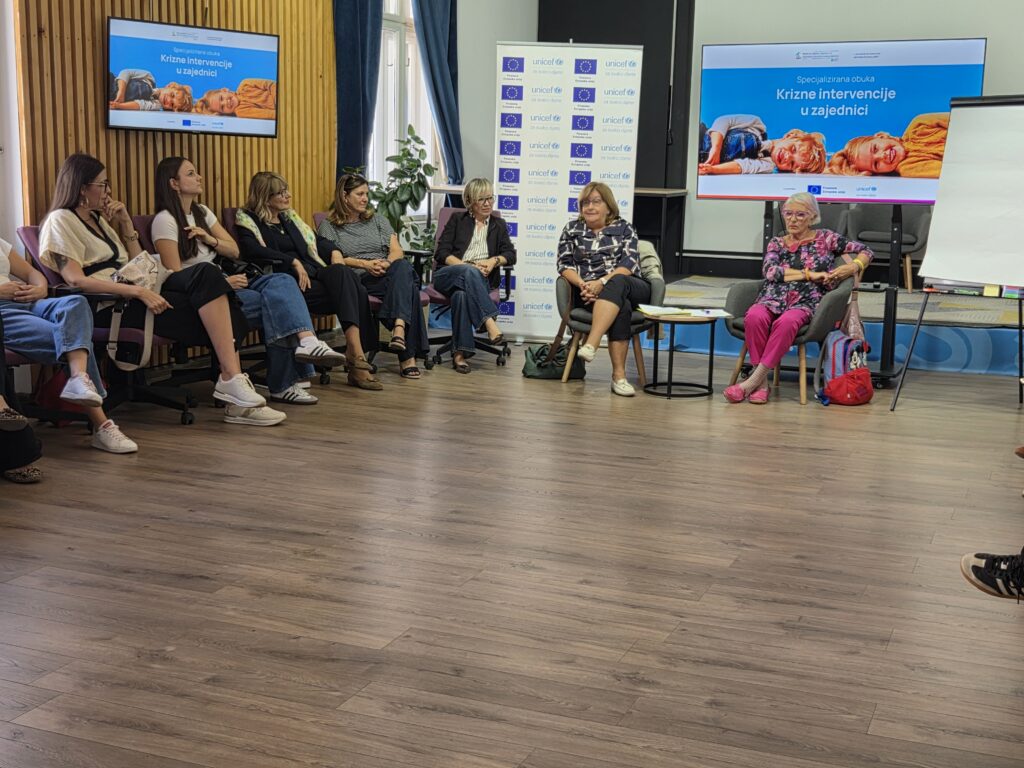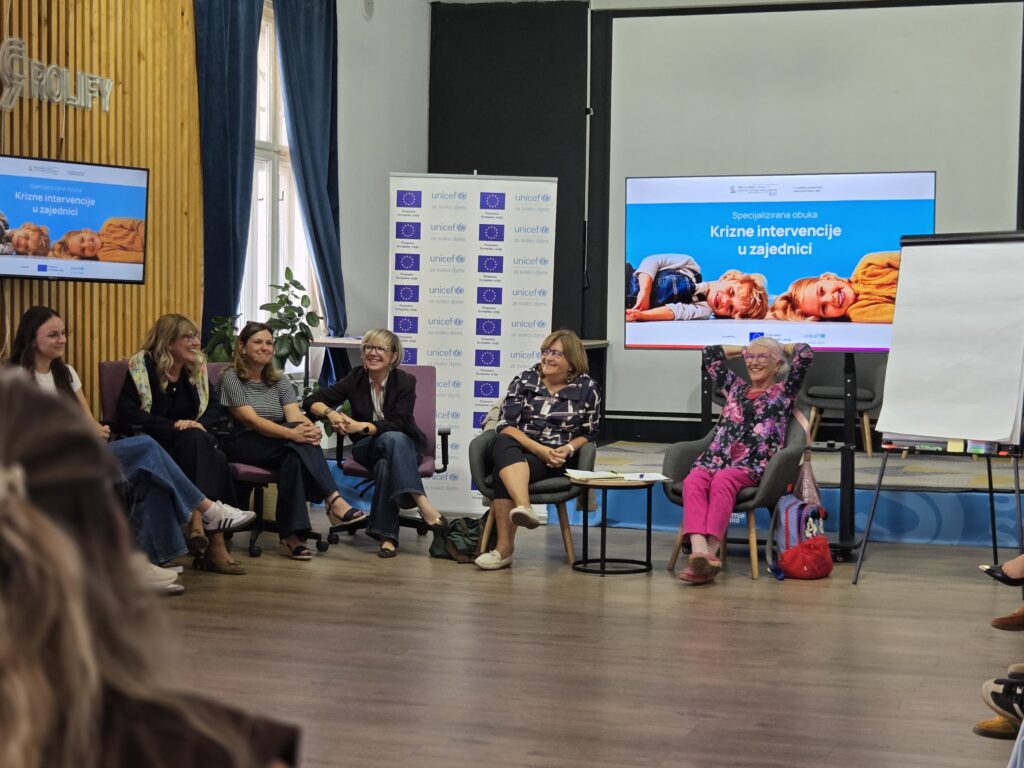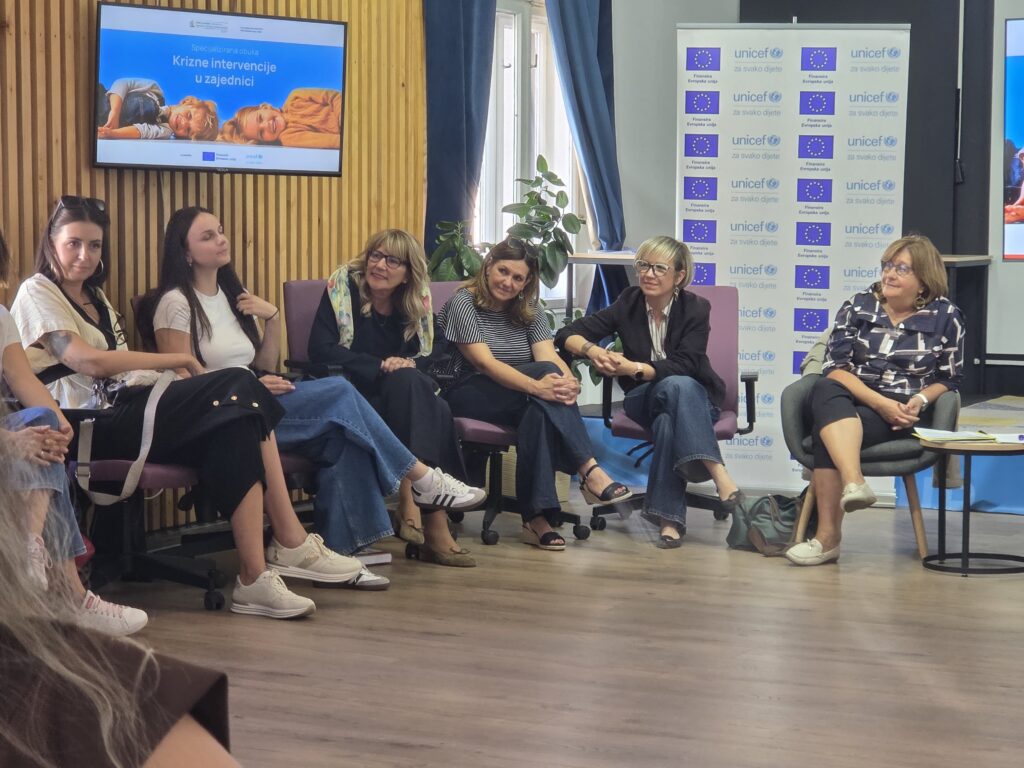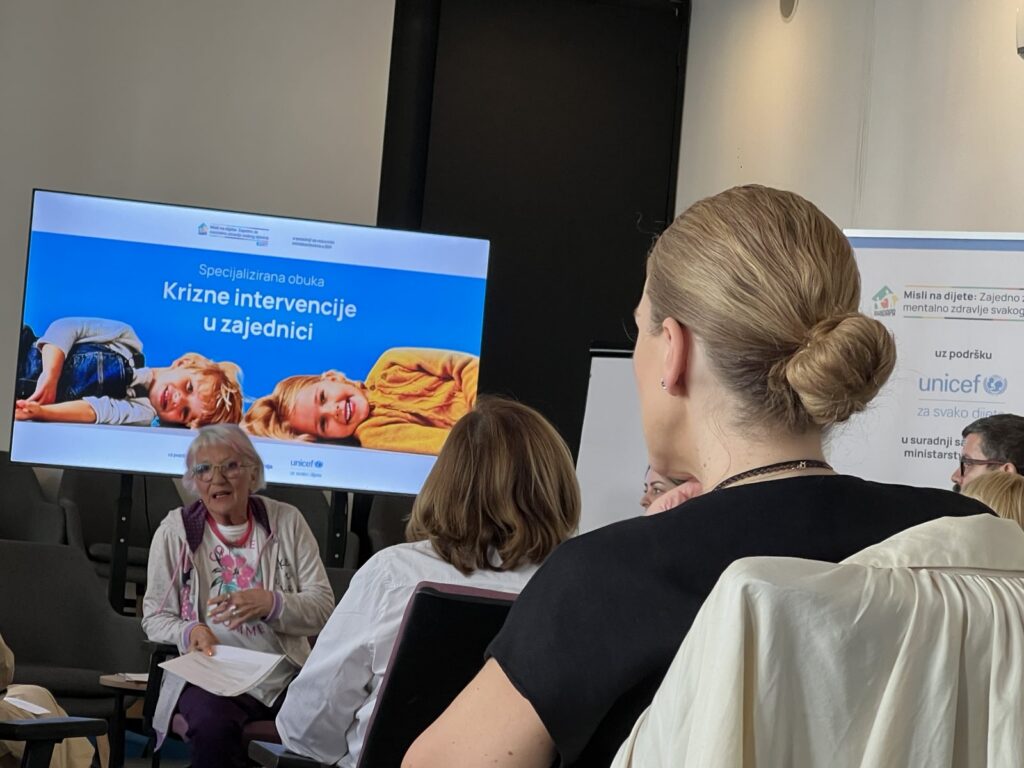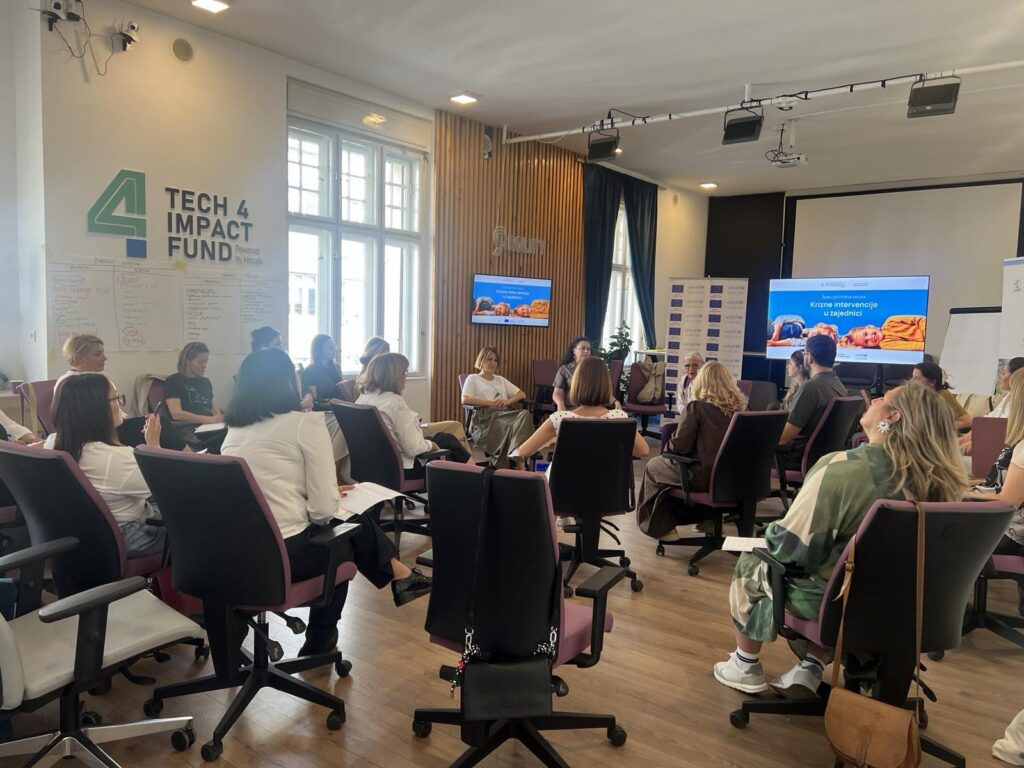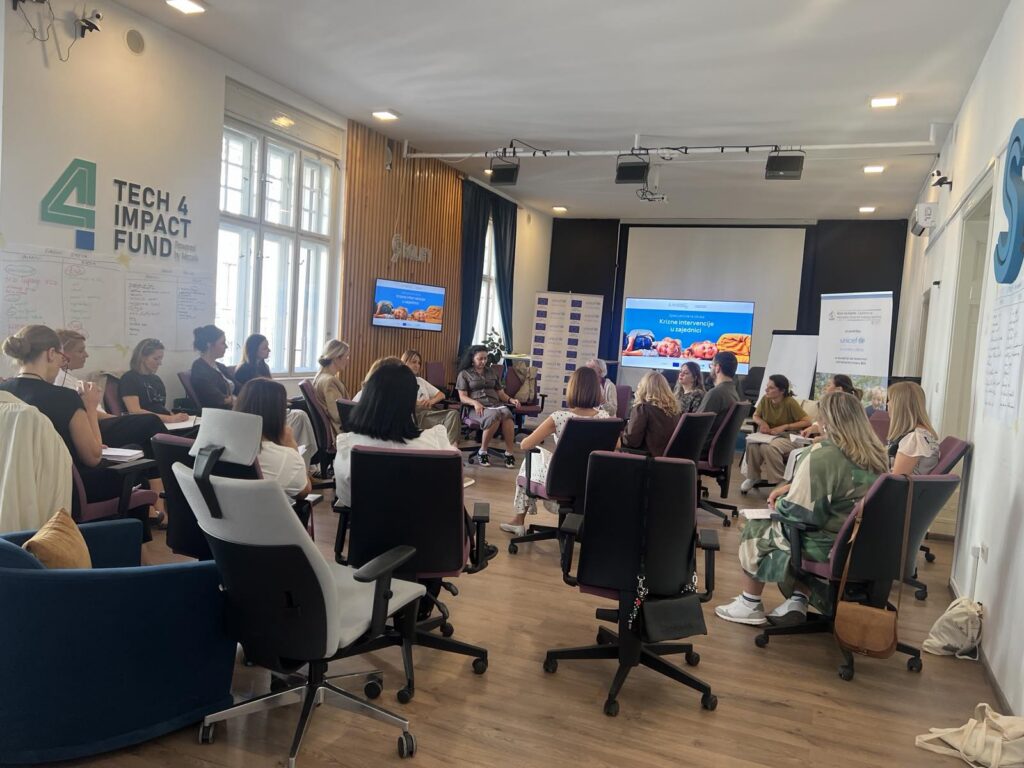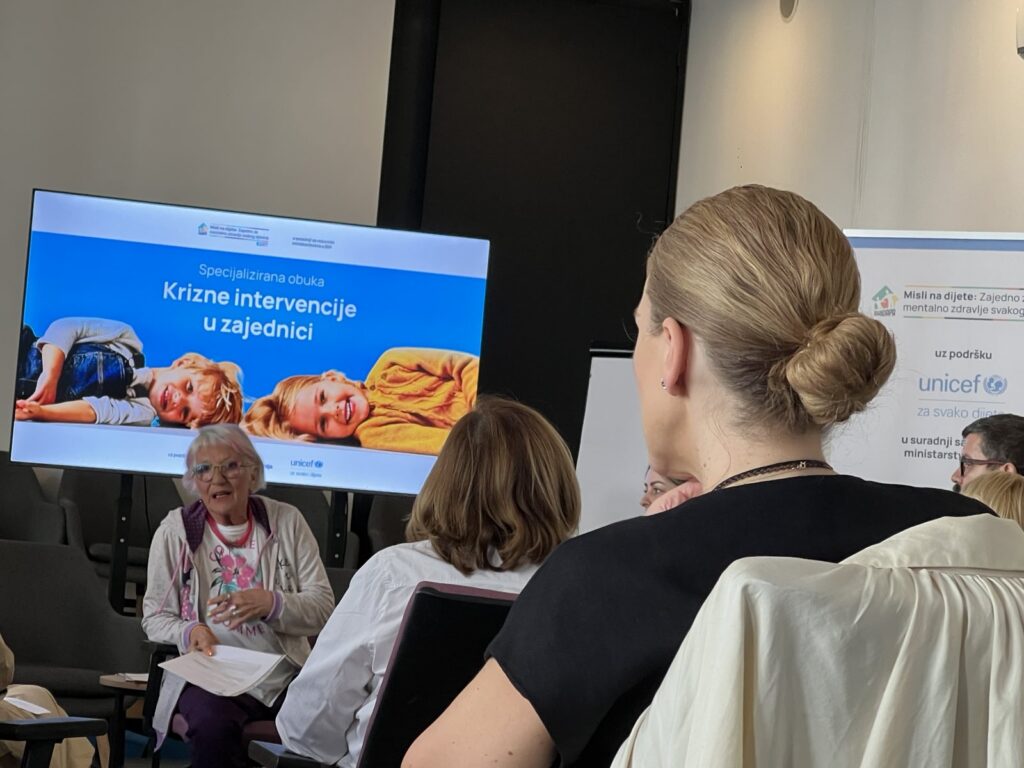

As part of the project “Think of the Child: Together for Every Child’s Mental Health”, implemented by BHIDAPA in partnership with UNICEF in Bosnia and Herzegovina, with financial support from the European Union and in cooperation with the relevant ministries, the foundational level of the third specialized training programme, “Community-Based Crisis Interventions,” was successfully delivered in Sarajevo from 17 to 19 September 2026.
The training was held at Mozaik Startup Sarajevo and facilitated by Professor Lidija Arambašić, PhD, and Assistant Professor Bruna Profaca, PhD, experts with extensive experience in psychological crisis interventions, stress, trauma, loss and bereavement, as well as in working with children, young people, parents and families.
A Shared Responsibility for Children’s Well-Being
At the opening of the training, participants were welcomed by Elvira Leka, UNICEF Consultant for Social and Child Protection, Inclusive Services and Prevention of Institutionalization, working within the Federal Ministry of Labour and Social Policy, and Nataša Jelača, UNICEF Consultant within the Ministry of Health and Social Welfare of Republika Srpska.
In their opening remarks, they highlighted the importance of intersectoral cooperation and the continuous strengthening of the competencies of professionals who support children, young people and families in crisis and emergency situations.
Addressing the participants on behalf of BHIDAPA, Mirela Badurina, PhD, thanked the partner institutions, the training facilitators and all professionals involved in this learning process. She expressed particular appreciation to the project team – Dželila Mulić Čorbo, Project Coordinator; Tanja Tankosić Girt, Supervisor; Adi Grebović; and Irma Bečar – for their dedicated work, professional contribution and commitment to implementing the project activities.
She emphasized that a timely and evidence-informed response to crisis events requires effective linkages across sectors, a clear understanding of professional roles and shared responsibility for the rights, safety, needs and best interests of every child.
From Understanding Crisis to Practical Intervention
During the intensive 23-hour programme, participants acquired knowledge and developed the practical skills needed to understand the impact of stressful, traumatic and crisis events and to plan and deliver safe, timely, ethically grounded, child- and family-centred interventions.
The programme covered:
- stressful and traumatic events and their consequences;
- crisis as a psychological state;
- crisis events and the organization of psychological crisis interventions;
- responses to crisis events in professional and workplace settings;
- brief psychological integration of trauma;
- supporting children following a crisis event;
- group and individual psychological crisis interventions;
- supporting parents as an integral part of crisis intervention;
- crisis intervention activities and essential safeguarding measures.
On the first day, participants explored stressful and traumatic events, their consequences and experiences from their own professional settings. The characteristics of crisis events, individual and group responses, and the fundamental principles of organizing psychological crisis interventions were also examined.
The second day focused on brief psychological integration of trauma. Through demonstrations, experiential workshops and joint analysis, participants were introduced to a group-based procedure for working with adults and to approaches for supporting a child following a crisis event. Particular attention was given to the activities undertaken as part of crisis interventions and to the safeguards required to ensure safe and ethical practice.
The third day focused on psychological crisis interventions with children and parents. Participants observed demonstrations of a group-based brief psychological trauma integration procedure with children and of work with parents as an integral component of crisis intervention. The experience of the Society for Psychological Assistance in delivering crisis interventions was also presented, together with the broader KRIN project, providing participants with a wider framework for understanding an organized community response to crisis and traumatic events.
Learning Through Experience and Professional Exchange
The experiential approach was a particularly valuable aspect of the training. Presentations were complemented by practical exercises, demonstrations, professional reflection and open discussion of the experiences and challenges professionals encounter in their institutions and communities.
This approach enabled participants to connect new knowledge with real-life situations from their professional practice, recognize the scope and boundaries of their roles, and gain a clearer understanding of the importance of a coordinated response across sectors and levels of support within the layered mental health and psychosocial support (MHPSS) system.
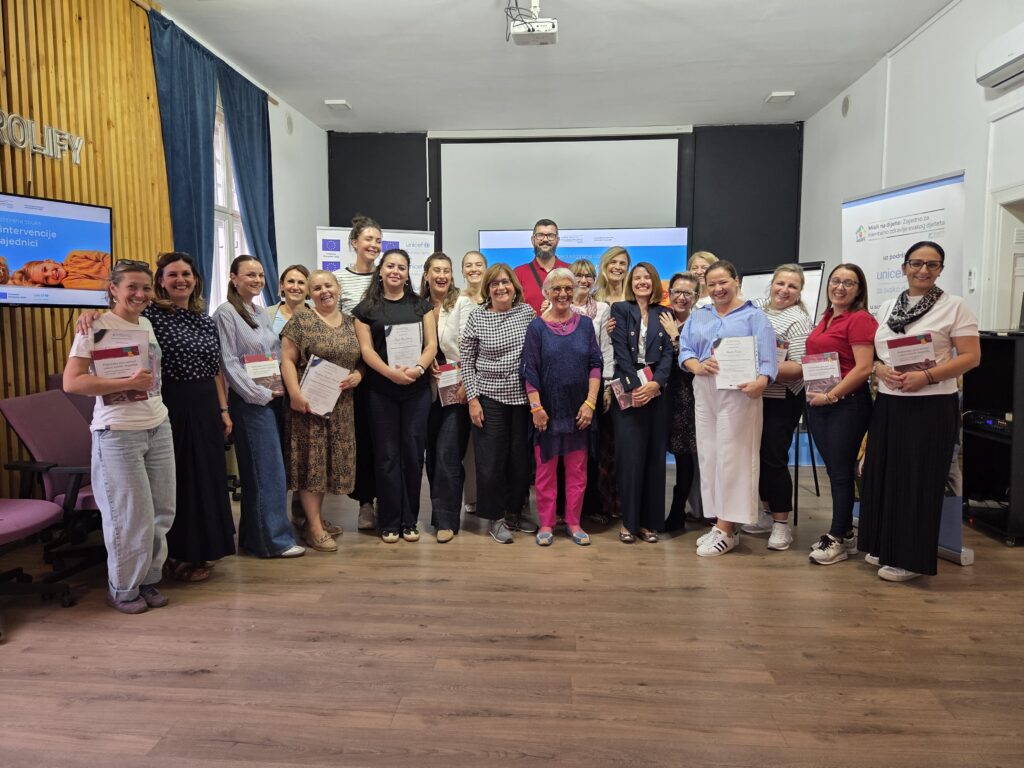
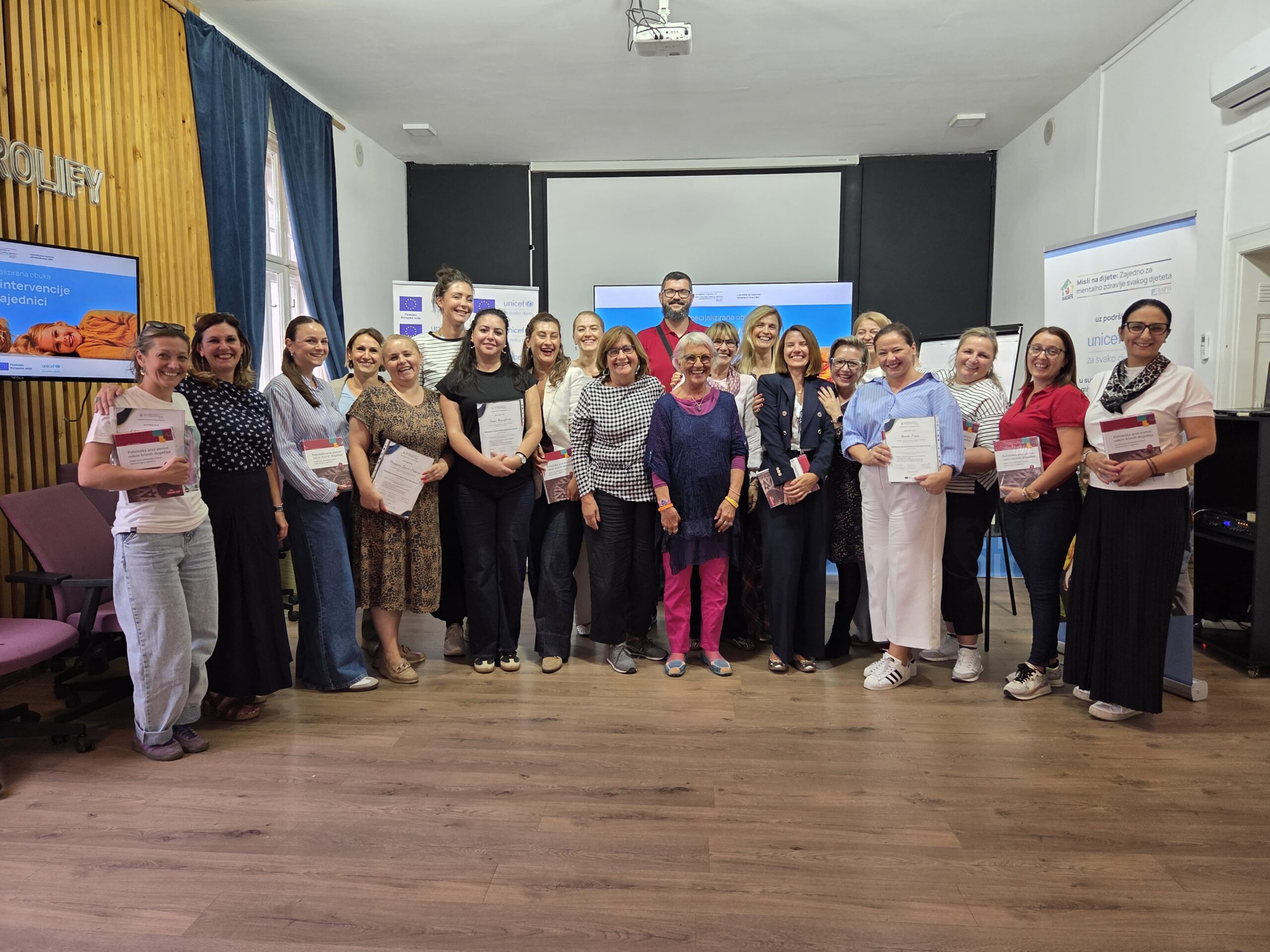
The three days of collaborative work were marked by commitment, openness, thoughtful questions, professional reflection, the exchange of experience, new professional connections and a strong sense of collegiality. Participants received certificates confirming completion of the foundational level of the training, as well as professional publications to support their continued learning and practice.
We extend our sincere appreciation to Professor Lidija Arambašić and Assistant Professor Bruna Profaca for generously sharing their knowledge, extensive experience and practical guidance, and for creating a safe and supportive learning environment throughout the three-day programme.
We also thank all participants for their trust, active engagement, openness and willingness to share their knowledge and experience with others.
Continuing with Advanced Training and Ongoing Supervision
With the completion of the foundational level, our shared learning process continues. The advanced component of the “Community-Based Crisis Interventions” training will be delivered in two smaller groups:
- 22–24 October 2026 – first small group
- 19–21 November 2026 – second small group
Working in smaller groups will provide opportunities for more intensive experiential learning, deeper integration of the knowledge acquired and the continued development of practical competencies for planning, organizing and delivering psychological crisis interventions.
In addition to the advanced training, the programme will continue through ongoing supervision led by Tanja Tankosić Girt. Supervision will enable participants to connect the knowledge acquired with specific experiences from their professional practice, reflect on complex situations and further strengthen their competencies to provide children, young people and families with safe, ethical and developmentally appropriate support.
Through this training, we continue to strengthen the capacities of professionals, foster a shared professional language and build stronger linkages among the education, health and social protection sectors, helping to ensure that support for children, young people and families is timely, accessible, safe, ethically grounded and responsive to their rights, needs and best interests.
An effective response to crisis and traumatic events is not the responsibility of a single professional or institution; it is built through the coordinated efforts of families, services and the wider community.